The Software Lifecycle: When the Cash Cow Leaves You with Just a Cow
Discover how innovative software platforms transition from loved engines to extractive cash cows, leaving you holding heavy, expensive legacy.
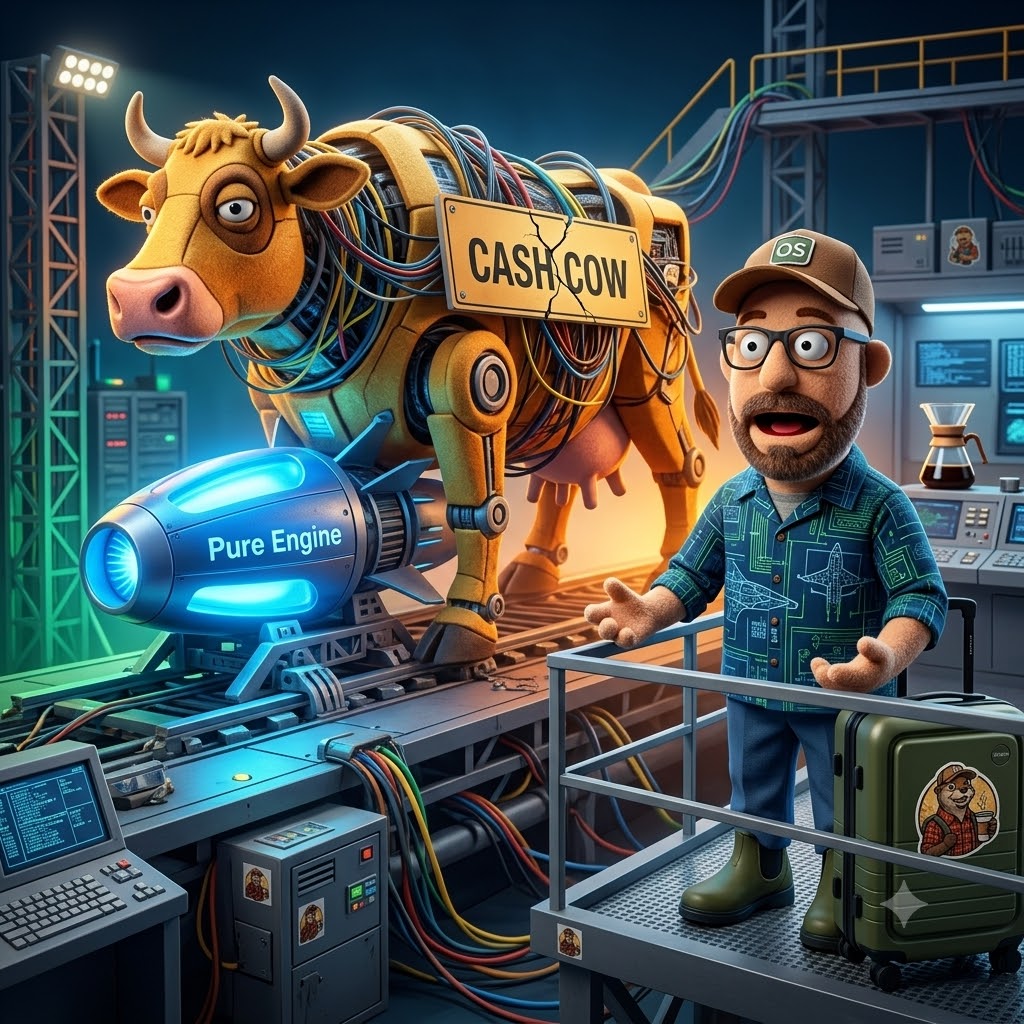
The enterprise technology industry loves a good origin story. A nimble team builds an elegant, hyper-efficient engine. Developers fall in love with it because it solves real pain, deploys in seconds, and skips the bureaucratic overhead of legacy platforms. It is pure innovation.
But software has a predictable, cyclical life story. If you watch the enterprise landscape long enough, a painful pattern emerges: today’s category-defining disruptor inevitably becomes tomorrow’s cautionary tale of technical debt.
As Honeycomb co-founder and observability pioneer Charity Majors recently pointed out, many of the reigning giants are chasing the wrong ball. Their vulnerability isn't just their aggressive price points—it's their products. They are built on ancient architectural models that are obscenely inefficient.
When your foundational architecture hits a wall, your commercial strategy changes. You pivot from creating value to extracting it.
1. The Frankenstein Phase: Bolting Wings onto a Tractor
When an industry incumbent realizes they are losing the grassroots developer war to a younger, faster architecture, panic sets in. But they face a massive structural constraint: they cannot alter their underlying codebase without destroying their monetization model.
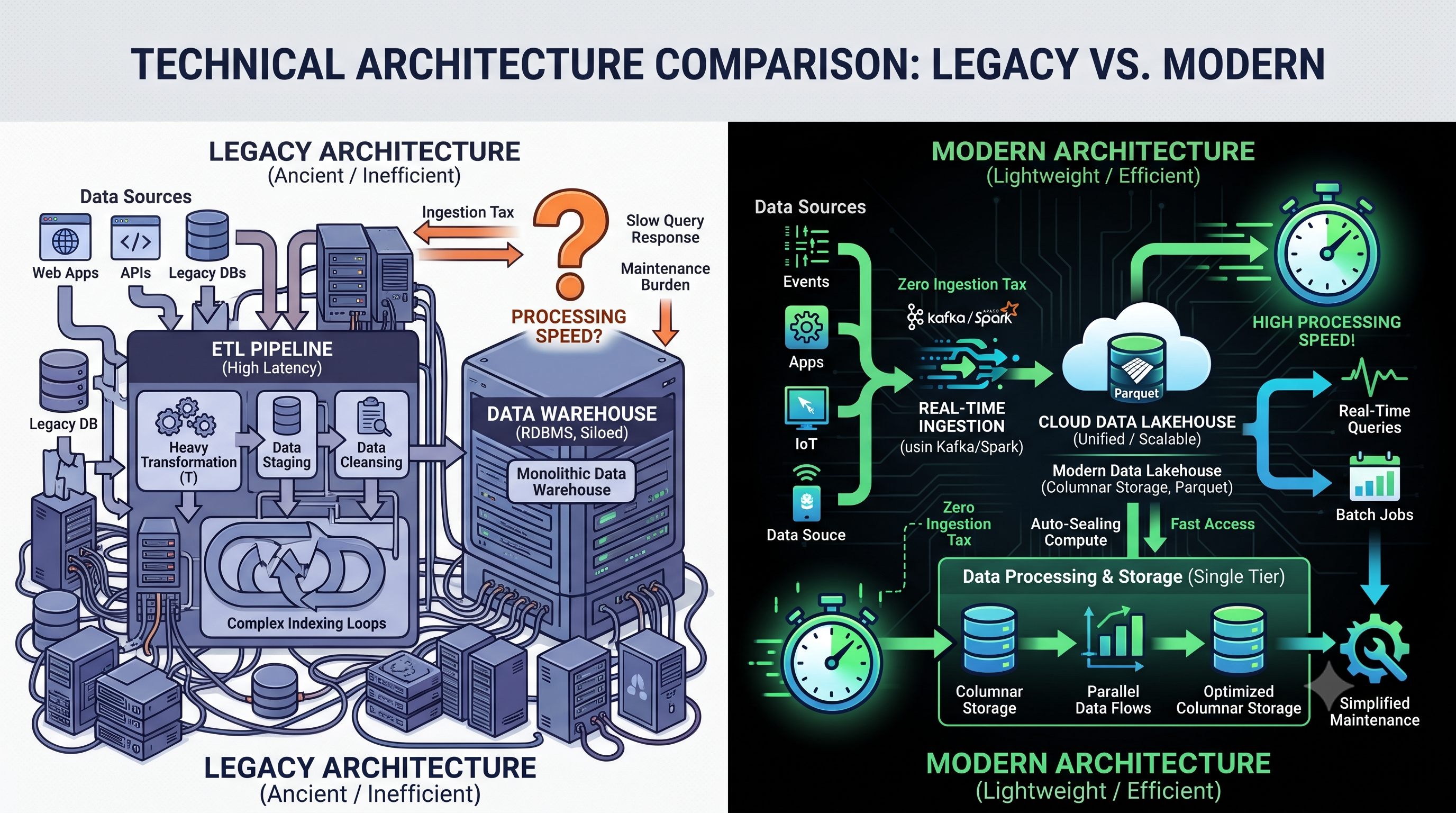
If a legacy vendor's multi-billion-dollar valuation relies on an intentional "ingestion tax"—charging customers per gigabyte indexed or per host monitored—they cannot adopt modern, lightweight processing or efficient columnar storage at the edge. To make their product truly efficient would be to vaporize their own quarterly revenue.
Instead of innovating, they enter the Frankenstein Phase:
- They buy a smaller, modern startup to check a buzzword box.
- They rip off the new UI and bolt it onto their aging, creaky infrastructure.
- They tell the market, "Look, we do that new thing too!"
The result is a lumbering, hybrid mess. It feels like trying to drop a Formula 1 transmission inside a farmhouse tractor. The developer still has to deal with the heavy agents, the complex configuration scripts, and the astronomical cloud bill—it is just wrapped in a shiny, updated interface.
2. The Extraction Trap: Where Innovation Goes to Die
The real tragedy of this lifecycle isn't the old legacy giant; it's the trajectory of the fresh new player. Every great software platform tends to follow three distinct phases:
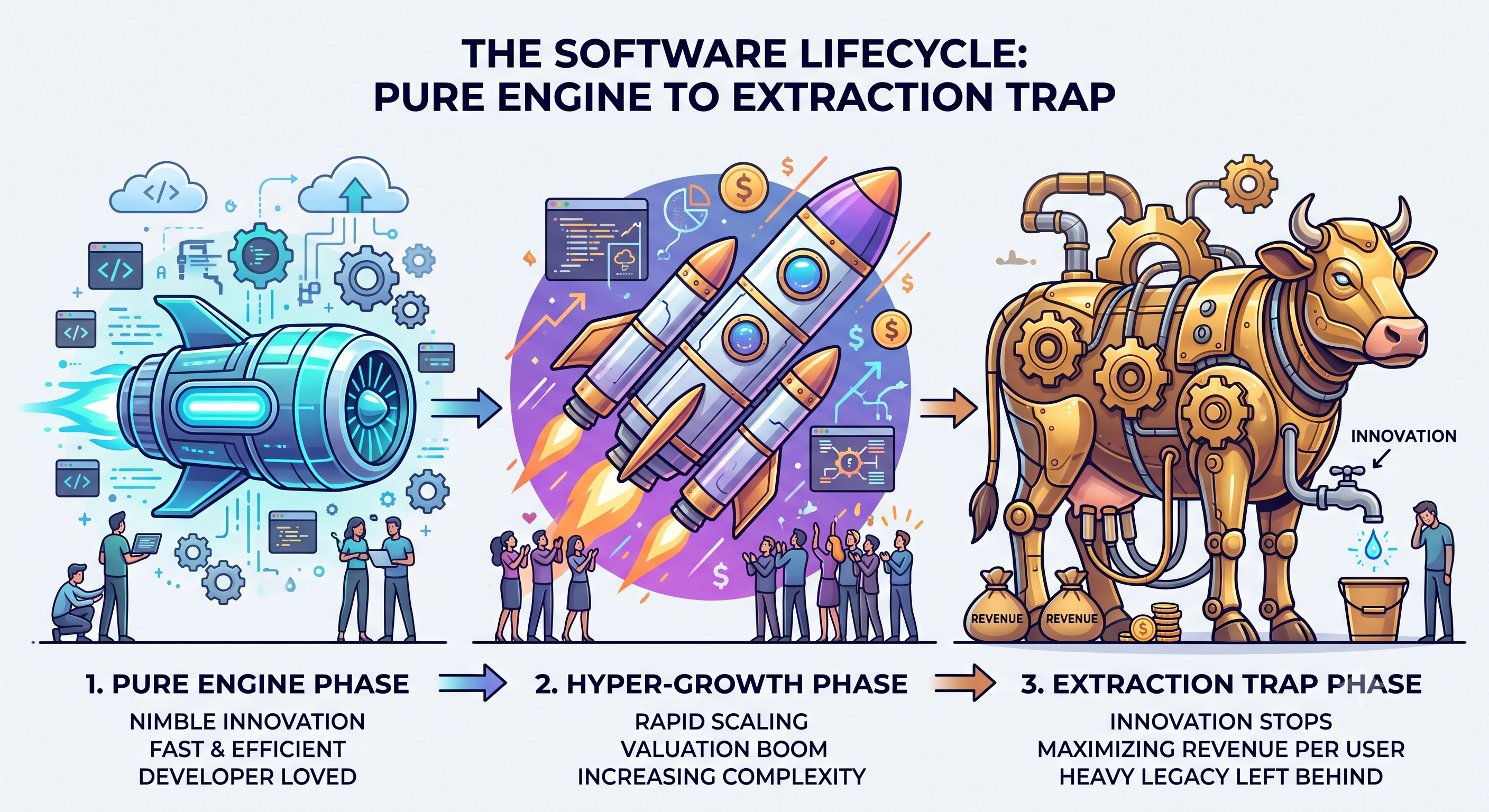
When a platform transitions into the Extraction Phase, the engineering team is forced to take a backseat to the sales enablement team. The product roadmap is no longer driven by making the core tool faster, lighter, or smarter. Instead, full effort is poured into maximizing revenue per user through wonky enterprise bundles, convoluted add-ons, and arbitrary compliance paywalls.
Pure innovation stops. The product becomes a cash cow.
3. Redefining "Free": Free Like Milk vs. Free Like a Cow
For decades, the engineering community evaluated technology using two classic metaphors: Free like a beer (zero upfront cost, no strings attached) versus Free like a puppy (comes with long-term care, feeding, and training costs).
But the modern cloud landscape requires a sharper framework for evaluating platforms that have stalled out into the extraction phase. It’s no longer about puppies. It's about cattle.
Free Like Milk
It is smooth, refreshing, and satisfies your immediate thirst out of the box with zero friction. But it has a strict expiration date. If you leave it sitting around without massive, constant corporate refrigeration (engineering maintenance and dedicated overhead), it turns sour fast. You cannot build a sustainable, ten-year infrastructure stack on an asset that spoils the moment you stop actively tending it.
Free Like a Cow
A vendor shows up and says, "We will practically give you the platform license for free, just sign this long-term data commitment." It sounds like an incredible, self-sustaining asset. But a cow requires massive, heavy infrastructure. You need a dedicated team of internal platform "farmhands" just to shovel its data output and maintain the barn. It consumes a fortune in cloud compute "grain," and you are completely locked into the farm.
The Milk Runs Dry
The ultimate risk of buying into a platform that has traded innovation for extraction is that eventually, the cow stops producing milk.
When a vendor stops modernizing the core plumbing, the performance degrades under the weight of their legacy code, and the real features dry up. You are no longer holding a cutting-edge asset that saves your team time and pain.
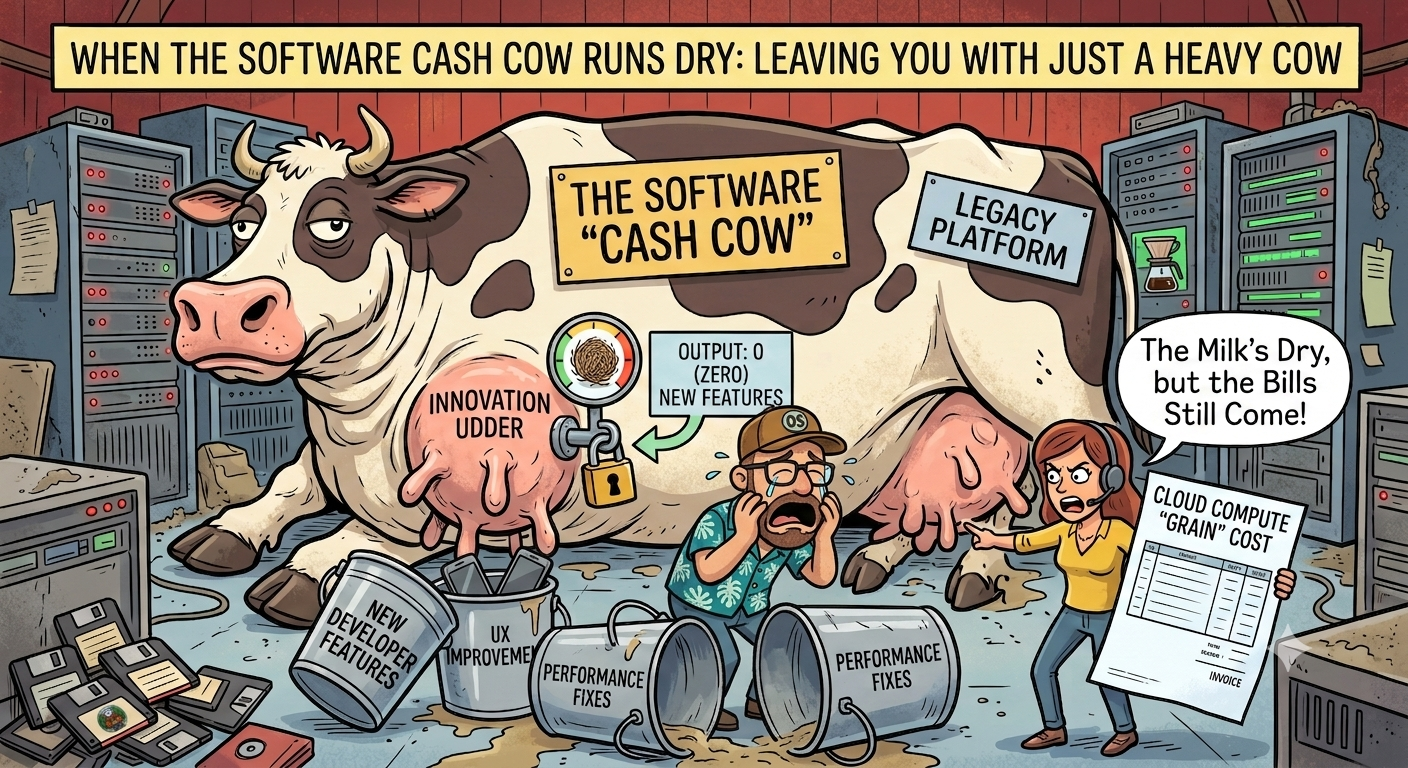
You are left holding a very heavy, very expensive cow that you can't easily get out of your barn.
The cycle never stops. The moment a pioneer stops innovating to focus entirely on milking their user base, they create the exact architectural vacuum that the next generation of pure engine builders will exploit.